What Farm-to-Table Really Means (And Why It Matters)
April 20, 2026
7 Easy Side Dishes To make on Mother’s Day.
May 4, 2026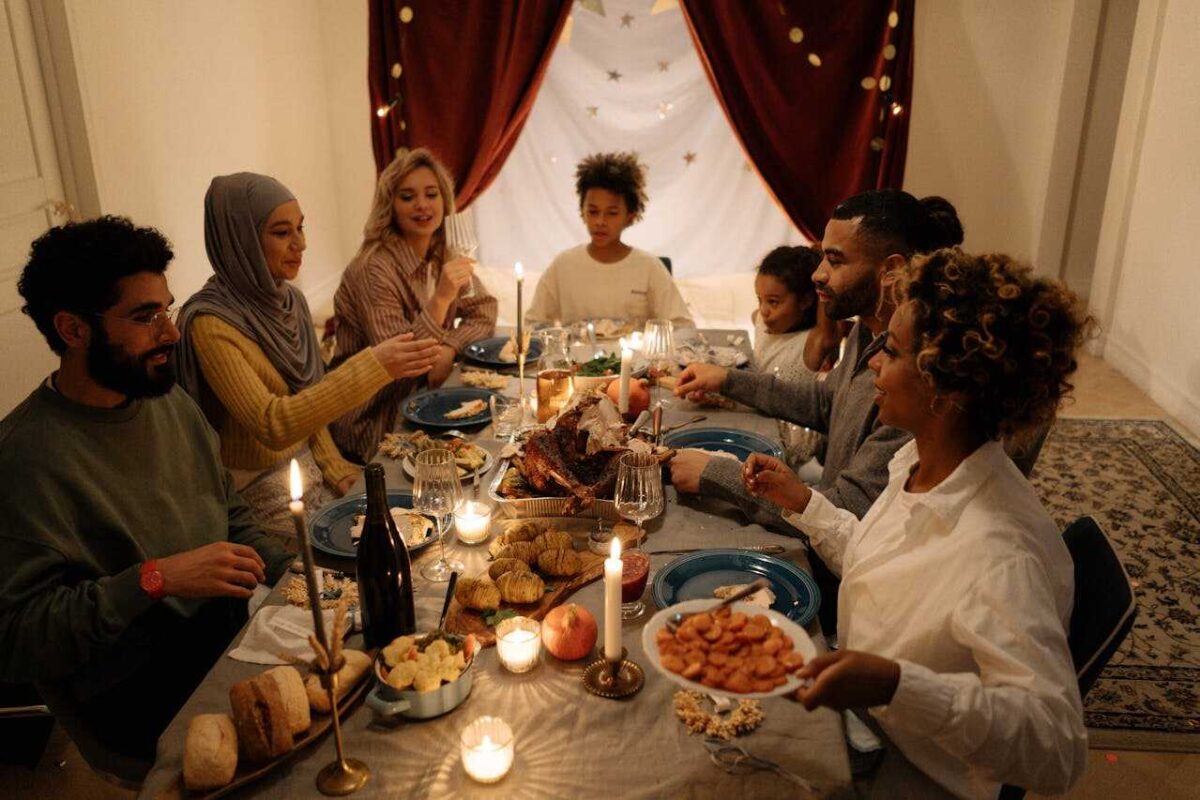
Freedom Day: How Food Reflects Culture, Choice, and Change
Freedom Day is a shared national moment, but food shows how culture changes in everyday life. South African cuisine has developed through migration, labour history, and constant exchange between communities. Today, that continues in restaurants where chefs reinterpret heritage dishes rather than only preserving them in one fixed form.
Food Traditions Reworked in Modern Kitchens
Many South African dishes now exist in several versions because chefs actively reinterpret them. Cape Malay spices appear in modern dishes that use slow cooking, smoking, and updated plating styles inspired by contemporary dining. In Indian South African cooking, curries are often adjusted in restaurants to highlight specific spices more clearly or paired with unexpected sides. These changes keep the identity of the dish while shifting how it is experienced.
Braai Culture in Contemporary Food Spaces
The braai has moved from home cooking into restaurant menus where chefs experiment with flavour and technique. Traditional cuts like lamb, chicken, and boerewors are now often paired with marinades or sauces influenced by other cuisines, including peri-peri, Asian-style glazes, or herb-based rubs. What changes is not the idea of the braai, but how familiar ingredients are reworked through different flavour approaches.
Chefs and Cross-Cultural Flavour Exchange
Modern South African kitchens often mix influences from different food traditions in the same dish. Local ingredients like maize, root vegetables, or game meat are combined with techniques such as smoking, fermentation, or reduction sauces. These combinations reflect how chefs move between cultural cooking styles and adapt them into something that still feels local, even when the influences are global.
Everyday Dining and Blended Culinary Identity
Many restaurants and eateries now reflect blended culinary identities rather than strict categories. A single menu can include dishes influenced by Cape Malay, Indian, African, and European cooking styles without clearly separating them. Diners are often experiencing food that already carries multiple influences, where overlap is part of the normal food landscape rather than something unusual.
Freedom Day and Food as Cultural Expression
On Freedom Day, shared meals show how South African food culture continues to evolve. Traditional dishes are still part of the table, but they sit alongside newer interpretations shaped by chefs and home cooks experimenting with flavour. Rather than replacing heritage, this mixing extends it. Food becomes a way of showing how cultural identity continues to shift through combination, influence, and shared experience.