

5 Smart Baking Hacks That Actually Work
April 10, 2026
Freedom Day: How Food Reflects Culture, Choice, and Change
April 24, 2026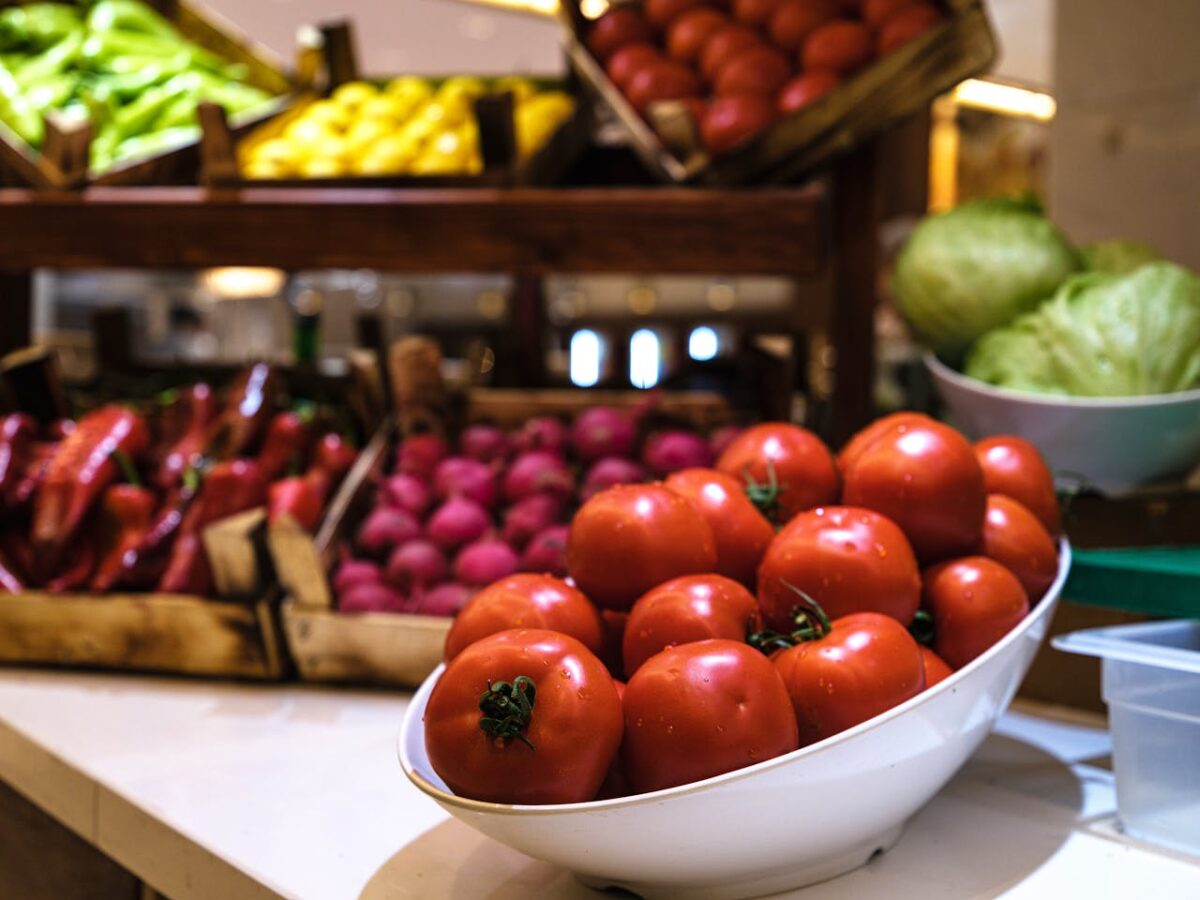
What Farm-to-Table Really Means (And Why It Matters)
The term Farm-to-Table often shows up on menus, although its meaning depends on how a kitchen actually sources ingredients. At its core, it reflects a focus on using produce that moves quickly from harvest to preparation, which affects both flavour and consistency. In practice, it comes down to how ingredients are selected, handled, and used throughout the cooking process.
Ingredient Sourcing in Practice
Kitchens working this way build relationships with growers and source ingredients based on what is available at the time. Orders often follow what has been harvested recently, rather than relying only on fixed supply lists. This allows produce to arrive fresher, while also giving chefs more control over quality and variety.
Seasonal, But Not Strictly Seasonal
Menus often reflect seasonal produce, although not every ingredient follows that rule. You might see seasonal vegetables featured prominently, while other items remain consistent year-round. This approach allows kitchens to keep popular dishes on the menu while still highlighting fresh, local ingredients where it makes the biggest difference.
Freshness and Handling
Shorter time between harvest and use changes how ingredients perform in the kitchen. Vegetables retain structure and moisture, while herbs keep stronger aroma and colour. This reduces the need for heavy preparation or adjustment, since the ingredients already carry more natural flavour.
Working With What's Available
Sourcing based on availability requires flexibility in both planning and preparation. Chefs adjust dishes when certain ingredients are limited or when better options become available. This keeps the focus on quality rather than consistency at all costs, which often leads to more balanced and better-executed dishes.
A More Direct Supply Approach
Closer relationships with suppliers improve communication around quality and timing. This makes it easier to request specific items or adjust orders based on upcoming availability. Over time, this approach creates a more reliable flow of ingredients that match the kitchen's standards.
Why It Matters
The impact of a Farm-to-Table approach is most evident in the finished plate, where ingredient quality carries through with minimal need for alteration. When sourcing, timing, and preparation align, the result is food that expresses its ingredients with clarity and restraint. For diners, this approach resonates more today as expectations shift toward transparency, seasonality, and a more considered dining experience.