

The Hidden Gem of The Orchard Farm Stall: Our Online Store
June 12, 2026
Best Farm Stall Stop Between Cape Town and Hermanus
July 3, 2026
How Food Brings Generations Together
Every family has recipes, meals, or food traditions that seem to outlast everything else. Homes change, routines evolve, and generations grow older, yet certain foods continue to appear around the table. Food does more than satisfy hunger. It helps families share stories, pass down knowledge, and maintain connections across different generations. This role of food has existed for thousands of years. Long before written records became common, recipes and cooking techniques were passed from one generation to the next through observation and practice. Many family traditions still follow that pattern today. At The Orchard Farm Stall, we believe great food does more than bring people to the table—it helps create the memories that keep generations connected.
Recipes Carry More Than Ingredients
A family recipe often contains more than a list of ingredients. It carries memories, techniques, and habits developed over time. Researchers who study food culture have found that recipes frequently change as they move between generations. Ingredients are adapted, cooking methods evolve, and portions adjust to modern lifestyles. The recipe remains familiar, yet each generation leaves its own mark on it. This process helps explain why two people can follow the same family recipe and still produce slightly different results. Small adjustments accumulate over time while the connection to the original dish remains intact.
Meals Create Shared Experiences
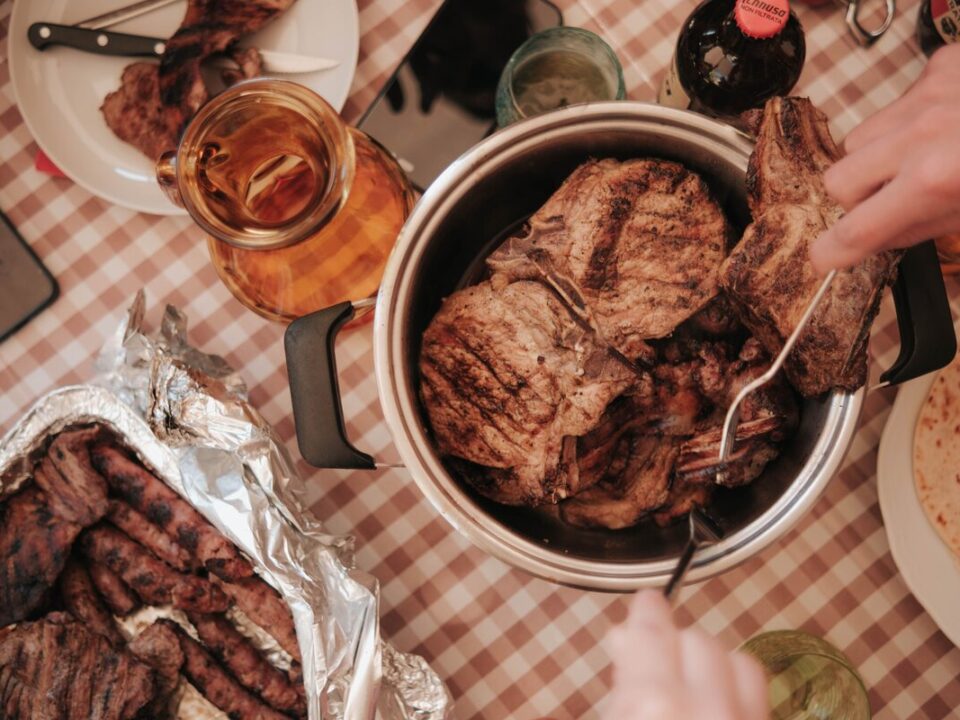
Family meals provide one of the few opportunities for multiple generations to spend uninterrupted time together. Studies have shown that shared meals encourage conversation and strengthen family relationships. Children learn communication skills during these interactions, while older family members share experiences that might otherwise be lost. Food acts as a natural focal point during these gatherings. Conversations often begin with the meal itself and gradually expand into family stories, local history, and personal experiences. The table becomes a place where knowledge moves naturally between generations.
Food Preserves Cultural Identity
Many traditional dishes survive because families continue preparing them at home. Migration, urbanisation, and changing lifestyles have altered how people live, yet food often remains one of the strongest connections to cultural heritage. Families continue making dishes that reflect their background even when other traditions fade over time. This is particularly noticeable in South Africa, where food traditions from different communities have influenced one another for generations. Recipes often combine cultural influences while still preserving a sense of identity and history. A single meal can reflect decades of family history and regional tradition.
Teaching Happens in the Kitchen
Some of the most valuable lessons shared between generations happen while preparing food. Children learn practical skills such as measuring ingredients, managing time, and following instructions. Older generations pass on techniques that rarely appear in cookbooks, including how to judge dough consistency, prepare seasonal produce, or adjust a recipe when ingredients are unavailable. These skills are often learned through observation rather than formal instruction. Someone watches, helps, and eventually takes over the task themselves. That process has remained remarkably consistent despite changes in technology and modern cooking methods.
Why Certain Foods Feel Familiar
Scientists have discovered that smell and taste are closely linked to memory. The brain processes these senses through areas associated with emotion and long-term memory. Because of this connection, familiar foods often trigger detailed memories from childhood. A particular dessert, baked item, or family meal can instantly remind someone of a specific place or person. These associations help explain why food plays such a powerful role in family traditions. The experience extends beyond flavour and becomes connected to people, events, and shared moments.
More Than Just a Meal
Food continues to bring generations together because it combines tradition, learning, and connection in a way few other activities can. Recipes carry family history, shared meals create opportunities for conversation, and familiar flavours preserve memories across decades. While lifestyles continue to change, the role of food in bringing people together remains remarkably consistent. That connection is part of what makes food so meaningful. Long after a meal is finished, the memories created around it often remain.