
5 Recipes to Make the Most of That Leftover Roast Chicken
September 17, 2026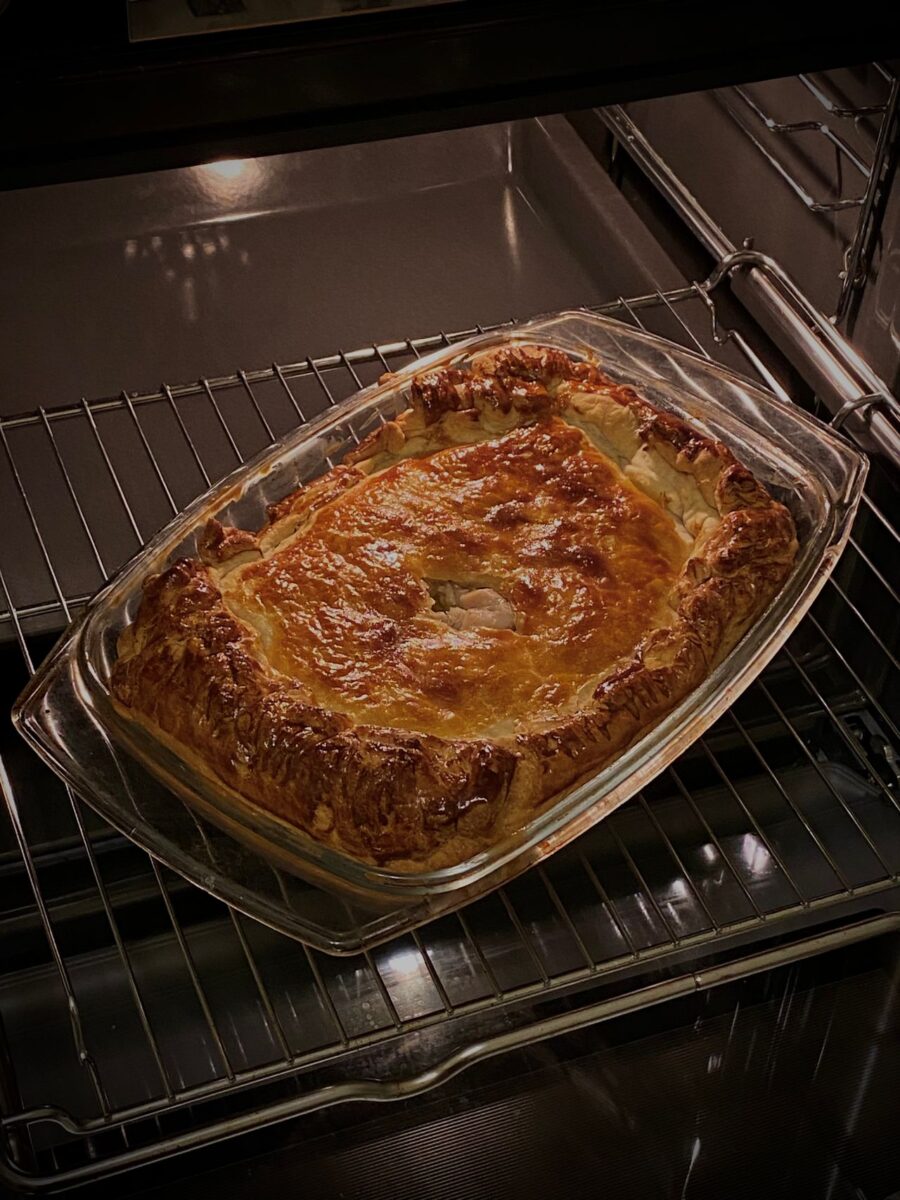
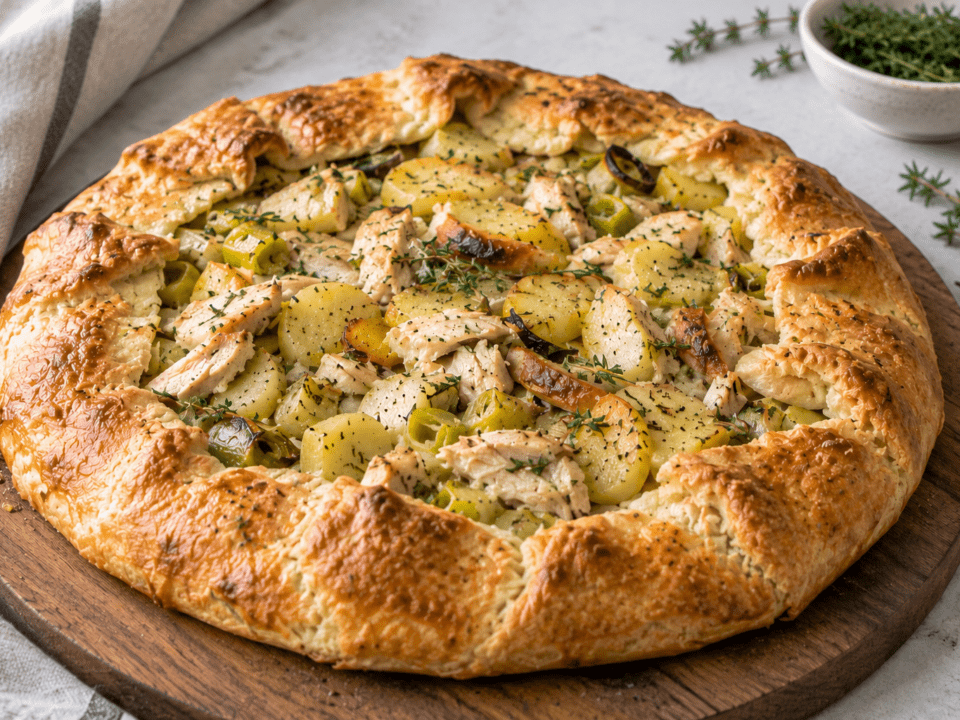
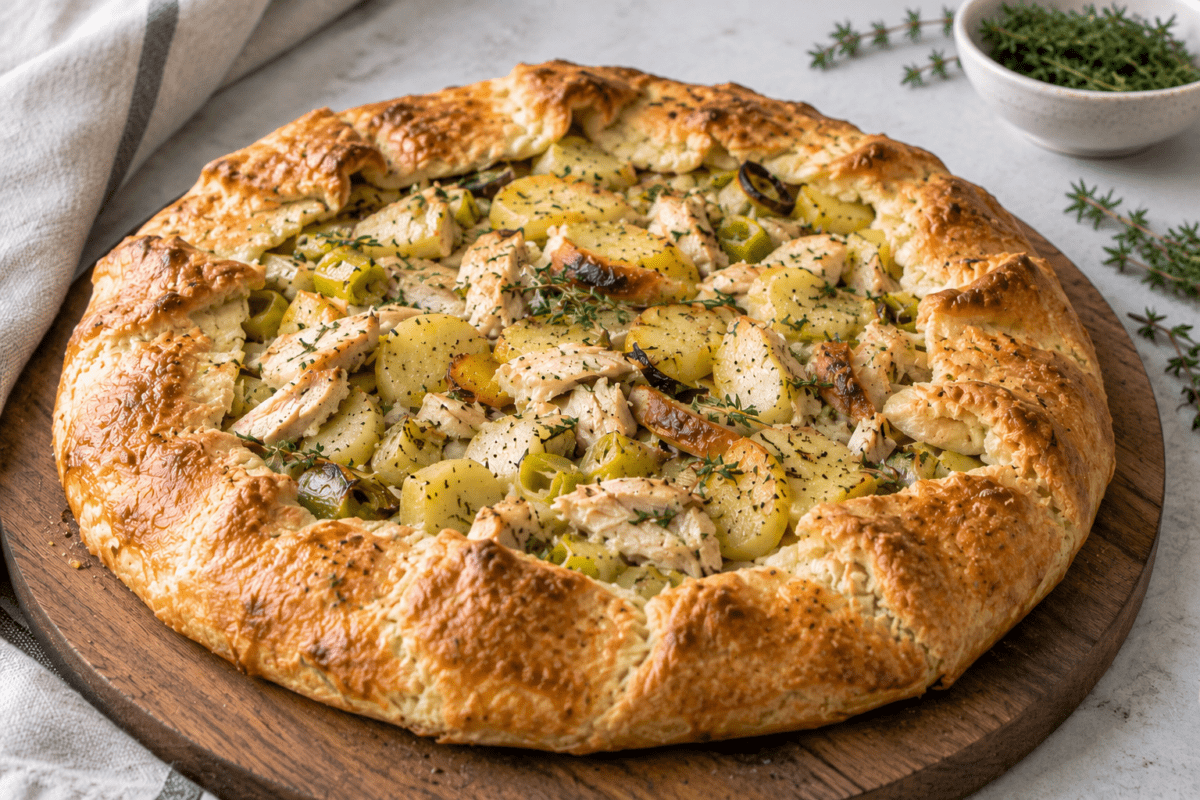
There is something particularly satisfying about making a pie from scratch, but pastry can be surprisingly unforgiving. A filling that seemed perfectly thick in the pan can turn watery in the oven, while a beautifully crimped crust can come out pale, soggy or split around the edges. The good news is that most homemade pie problems are caused by a handful of common mistakes. Once you know what to watch for, it becomes much easier to get a crisp crust, properly cooked pastry and a filling that stays where it belongs.
Using Warm Ingredients
Temperature matters more than many first-time pie makers realise, particularly when making pastry with butter. Warm butter starts softening before the pastry reaches the oven, which can leave you with a heavy, greasy crust rather than those desirable flaky layers. The same applies to fillings: adding a hot filling to pastry can soften the base before baking even begins. Keep your pastry ingredients cool, handle the dough as little as possible and give assembled pies enough time to chill before they go into the oven if the recipe calls for it.
Overworking the Pastry
It is tempting to keep kneading pastry until it looks perfectly smooth, but pie dough is not bread dough. The more you work it, the more gluten develops, which can make the finished crust tough and chewy instead of tender. Overworking can also warm the butter and make the dough harder to roll. Bring the dough together just until it holds, then stop. A few cracks around the edges are usually easier to fix than pastry that has been handled into submission.
Adding Too Much Flour When Rolling
Sticky pastry is frustrating, particularly when it starts clinging to the work surface or rolling pin, but adding handfuls of flour is not the best solution. Too much flour can make the pastry dry and dense, and excess flour worked into the dough changes its texture. Instead, lightly flour the work surface and rolling pin, turn the pastry as you roll and add only enough flour to prevent sticking. If the dough is genuinely too soft to handle, chilling it is usually a better answer than continually dusting it with flour.
Putting a Watery Filling Into the Pie
A crisp pastry base has little chance against a filling that releases a lot of liquid during baking. This is particularly common with fruit pies, where fruit can release more juice than expected once it heats up. Meat and vegetable fillings can cause the same problem if they contain excess cooking liquid. Cook fillings down where necessary, use an appropriate thickener and let hot fillings cool before assembling the pie. If there is liquid pooling in the bottom of the pan before the pie goes into the oven, there is a good chance that same liquid will end up making the pastry soggy.
Skipping the Resting Time
Trying to get a pie into the oven as quickly as possible can work against you. Pastry benefits from resting because it gives the gluten time to relax after rolling and shaping. Chilling also firms up the butter, which helps the crust hold its shape and develop better texture during baking. If your pastry keeps shrinking back from the sides of the pie dish, resting it before baking is one of the first things worth trying.
Failing to Vent the Pie
A closed pie needs somewhere for steam to escape. Without adequate vents in the top crust, steam from the filling becomes trapped inside the pie, which can lead to a soggy crust, overflowing filling or pastry that lifts away from the filling. A few small cuts in the top are usually enough, although the exact number and size depend on the pie. They do not need to turn the crust into an elaborate pattern; their main job is to let steam out.
Cutting Into the Pie Straight From the Oven
This is probably the hardest mistake to avoid because a hot pie smells far better than it looks when you are waiting to eat it. Cutting into it immediately, however, can leave the filling running across the plate before it has had time to set. Fruit fillings in particular need time to cool and thicken. Let the pie rest before slicing, even if that means waiting a little longer than you would like. You will get cleaner slices and a filling that stays inside the pastry instead of spreading across the plate.
Letting the Filling Dry Out in the Oven
A filling can have plenty of moisture when it goes into the pie and still come out dry after baking. This often happens when the pie is left in the oven for too long, the filling does not have enough sauce to begin with, or the pastry is left uncovered for too long while the filling cooks. Meat fillings are particularly prone to drying out, especially when using lean meat. The filling should have enough moisture and sauce to withstand the cooking time without becoming dry, and the pie should be removed once the pastry is properly baked rather than simply left in the oven until the filling has cooked down completely.
Getting the Oven Temperature Wrong
Pastry needs a properly heated oven to develop colour and structure. Putting a pie into an oven that has not reached the required temperature can leave the pastry pale and greasy, while an oven that runs too hot can brown the outside before the filling has had enough time to cook. Always preheat the oven rather than relying on it to reach temperature while the pie is already inside. If your pies consistently brown too quickly or take much longer than the recipe suggests, your oven temperature may also be worth checking.
Making Better Pies at Home
Most pie problems are not caused by one dramatic mistake. They usually come down to small details: pastry that became too warm, a filling that contained too much liquid, dough that was handled too much or a pie that was cut before it had time to settle. Once you start paying attention to those details, homemade pies become much more predictable — and a lot less frustrating to make.